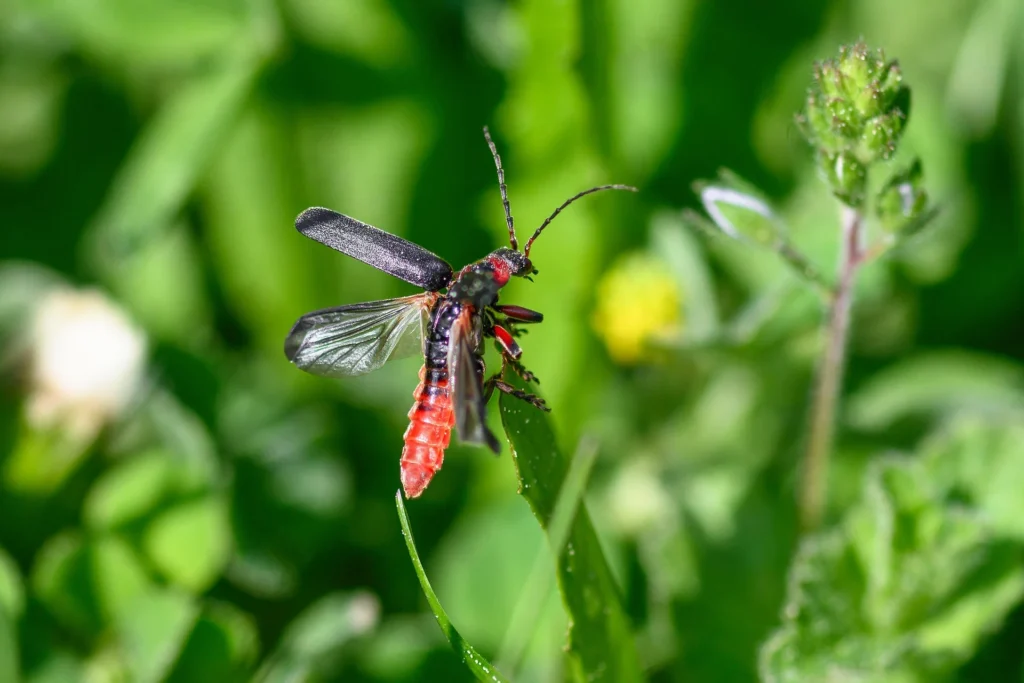
Skunk slang sits at an interesting crossroads between cannabis culture, regional speech, internet language, and older counterculture vocabulary. The word “skunk” itself can refer to a particularly strong or pungent form of cannabis, although its exact meaning changes by region and context.
In the United States, it may point toward a skunky aroma or cannabis associated with classic Skunk genetics, while in the United Kingdom it has often been used more broadly for potent cannabis.
Slang develops because people naturally look for shorter, more expressive ways to communicate. Words such as weed, bud, herb, dank, loud, chronic, and grass have appeared in different periods and communities, with some surviving while others become strongly associated with older generations.
Official drug-slang references also document many of these terms, but such lists can become outdated because slang constantly shifts.
Today, skunk-related language can appear in conversations, music, memes, social media, and informal messages. Understanding the vocabulary is useful for interpreting context, but these expressions are informal and should not automatically be treated as interchangeable.
Quick Reference Table
| Slang Term | Meaning | Tone | Age Group | Online/Offline Usage |
|---|---|---|---|---|
| Skunk | Strong or distinctly pungent cannabis | Informal | Millennials & older | Both |
| Skunkweed | Strong cannabis; essentially a longer form of skunk | Informal | Older/mixed | Both |
| Weed | General slang for cannabis | Casual | All adult groups | Both |
| Bud | Cannabis flower | Casual | Younger & adult users | Both |
| Herb | Cannabis, with an older cultural feel | Relaxed | Millennials & older | Both |
| Grass | Older slang for cannabis | Old-school | Gen X & older | Both |
| Pot | Long-established cannabis slang | Old-school | Older adults | Both |
| Reefer | Classic slang for marijuana | Vintage | Older generations | Mostly offline/media |
| Mary Jane | Playful euphemism for cannabis | Playful | Millennials & older | Both |
| Chronic | Slang historically associated with high-quality cannabis | Informal | Older/mixed | Both |
| Dank | Strong-smelling or high-quality cannabis | Casual | Gen Z & Millennials | Both |
| Loud | Very pungent or noticeable cannabis | Modern informal | Gen Z & Millennials | Both |
| Mids | Medium-quality cannabis | Casual/critical | Millennials & Gen Z | Mostly online/casual |
| Fire | High-quality or impressive cannabis | Modern slang | Gen Z & Millennials | Both |
The meanings of terms such as skunk, weed, grass, pot, chronic, herb, reefer, and Mary Jane are documented across established drug-slang references, while newer usage can vary substantially by community and region.
Slang: Skunk
Meaning:
“Skunk” is one of the most recognizable cannabis slang terms. It can refer to particularly pungent cannabis, and in some contexts it points toward cannabis associated with classic Skunk genetics. Its meaning is especially regional: British usage has often treated “skunk” as a broad label for potent cannabis, while American usage can be more closely connected with aroma or Skunk-type genetics.
When to Use It:
Use it when discussing slang, cannabis culture, or interpreting informal speech where the surrounding context clearly establishes the meaning.
When NOT to Use It:
Avoid it in formal documents, professional communication, or situations where the meaning could be confused with the animal.
Example in Conversation:
A: “What did they mean by ‘skunk’?”
B: “They were using it as slang for strong cannabis.”
Is It Still Trending?
Yes, but regionally variable. It remains recognizable, although its exact meaning differs across communities.
Slang: Skunkweed
Meaning:
Skunkweed is essentially a more explicit version of “skunk.” It identifies the cannabis meaning rather than leaving listeners to work it out from context. Oxford lists “skunk” as slang for skunkweed, meaning a strong type of cannabis.
When to Use It:
It works in informal discussions about older cannabis vocabulary or when explaining what “skunk” means.
When NOT to Use It:
Skip it when writing academically unless you are specifically discussing slang terminology.
Example in Conversation:
A: “Is ‘skunkweed’ another word for cannabis?”
B: “Yes, it’s an informal term associated with strong cannabis.”
Is It Still Trending?
Declining. It is recognizable but less common than shorter terms such as weed.
Slang: Weed
Meaning:
“Weed” is probably one of the broadest everyday slang words for cannabis. Unlike “skunk,” it does not necessarily describe a particular aroma, potency, or genetic background.
When to Use It:
It fits casual conversations where people already understand the subject.
When NOT to Use It:
Avoid assuming everyone uses the term comfortably, particularly in formal, workplace, school, or legal settings.
Example in Conversation:
A: “Why does the article keep saying ‘weed’?”
B: “Because it’s a common informal term for cannabis.”
Is It Still Trending?
Yes. It remains widely recognizable and appears in both everyday and online language.
Slang: Bud
Meaning:
“Bud” usually refers to the flower of the cannabis plant. It is more specific than broad terms such as weed or pot and can appear in conversations about cannabis culture.
When to Use It:
Use it when the conversation is already informal and the cannabis context is obvious.
When NOT to Use It:
Don’t use it as though it were a universal synonym for every cannabis product.
Example in Conversation:
A: “What does ‘bud’ mean in that post?”
B: “They’re referring to cannabis flower.”
Is It Still Trending?
Yes. It remains familiar in contemporary cannabis vocabulary.
Slang: Herb
Meaning:
“Herb” gives cannabis an earthy, traditional feel. It has long appeared in informal cannabis vocabulary and can sound less blunt than some alternatives.
When to Use It:
It can work in cultural discussions, music-related language, or relaxed conversation.
When NOT to Use It:
Avoid assuming “herb” always means cannabis because the word also has its ordinary culinary and botanical meaning.
Example in Conversation:
A: “He called it ‘herb.’ What was he talking about?”
B: “In that context, he meant cannabis.”
Is It Still Trending?
Declining but recognizable. It remains established in older slang references.
Slang: Grass
Meaning:
“Grass” is classic cannabis slang strongly associated with earlier counterculture language. It can sound noticeably old-school today.
When to Use It:
It makes sense when discussing historical slang, older songs, films, or someone intentionally using vintage vocabulary.
When NOT to Use It:
Don’t assume younger speakers will automatically interpret it as cannabis without context.
Example in Conversation:
A: “Why did the movie call marijuana ‘grass’?”
B: “That was a common older slang term.”
Is It Still Trending?
Old School. It remains understandable but has a distinctly vintage flavor.
Slang: Pot
Meaning:
“Pot” is a long-established informal term for cannabis. It is still understood, but it can sound more traditional than newer expressions.
When to Use It:
It works when discussing older American vocabulary or casual speech.
When NOT to Use It:
Avoid using it in formal writing when precise terminology is required.
Example in Conversation:
A: “Is ‘pot’ still used?”
B: “Yes, although it can sound more old-fashioned than ‘weed.’”
Is It Still Trending?
Declining. It remains recognizable, but newer vocabulary often dominates casual online conversation.
Slang: Reefer
Meaning:
“Reefer” is a distinctly old-school cannabis term. Today, it often appears more naturally in historical references, movies, comedy, or deliberately vintage speech than in everyday modern texting.
When to Use It:
Use it when discussing historical language or intentionally adopting a retro voice.
When NOT to Use It:
Avoid it if you’re trying to sound naturally contemporary.
Example in Conversation:
A: “Nobody in the chat said ‘reefer.’”
B: “That word has a much more vintage feel.”
Is It Still Trending?
Old School. It remains recognizable but is far less contemporary than weed.
Slang: Mary Jane
Meaning:
“Mary Jane” is a playful euphemism that has historically been used for marijuana. It can sound humorous, indirect, or deliberately nostalgic depending on who says it.
When to Use It:
It works best when the speaker is intentionally being playful or referencing older popular culture.
When NOT to Use It:
Don’t expect it to sound naturally modern in every conversation.
Example in Conversation:
A: “What does ‘Mary Jane’ mean here?”
B: “It’s an informal nickname for marijuana.”
Is It Still Trending?
Declining. The phrase remains recognizable, but it is less dominant in current everyday slang.
Slang: Chronic
Meaning:
“Chronic” has been used as cannabis slang, particularly for high-quality or potent cannabis in older slang traditions. Its meaning can also be confusing because “chronic” is an ordinary English adjective.
When to Use It:
Use it when interpreting lyrics, older slang, or informal cannabis-related language.
When NOT to Use It:
Don’t assume listeners will interpret it as cannabis without context.
Example in Conversation:
A: “What does ‘chronic’ mean in that lyric?”
B: “There, it’s being used as cannabis slang.”
Is It Still Trending?
Declining. It remains culturally recognizable, but its cannabis meaning is more associated with older slang.
Slang: Dank
Meaning:
“Dank” has a particularly interesting history. In cannabis conversations, it can describe strongly aromatic or high-quality cannabis. Outside that context, younger internet users may use “dank” humorously for something excellent, strange, or strongly associated with meme culture.
When to Use It:
Use it only when the surrounding conversation makes the intended meaning clear.
When NOT to Use It:
Avoid assuming “dank” always means cannabis, especially online.
Example in Conversation:
A: “They called the smell ‘dank.’”
B: “That can describe a strong cannabis aroma, but context matters.”
Is It Still Trending?
Yes, with multiple meanings. It has survived beyond its original cannabis-related context.
Slang: Loud
Meaning:
“Loud” can describe cannabis with a particularly noticeable or pungent aroma. The word is figurative: the cannabis is not literally making noise.
When to Use It:
It appears naturally in informal cannabis vocabulary and some music or online contexts.
When NOT to Use It:
Don’t use it without context when discussing sound, music, or volume, where “loud” has its normal meaning.
Example in Conversation:
A: “Why did they call it ‘loud’?”
B: “They were describing cannabis with a very noticeable aroma.”
Is It Still Trending?
Yes, but context-dependent. It appears in contemporary slang alongside many other meanings.
Slang: Mids
Meaning:
“Mids” is shorthand for “mid” or “middle-grade” cannabis. It generally communicates that the speaker considers the product average rather than premium. The broader slang meaning of “mid” later expanded to describe anything considered mediocre.
When to Use It:
Use it in informal conversations where cannabis terminology is already established.
When NOT to Use It:
Avoid treating “mids” as a precise scientific measurement of quality or potency.
Example in Conversation:
A: “What does ‘mids’ mean?”
B: “It usually means cannabis someone considers average in quality.”
Is It Still Trending?
Yes. The broader “mid” slang is especially recognizable in modern internet language.
Slang: Fire
Meaning:
“Fire” is modern praise slang. In cannabis conversations, calling something “fire” generally means the speaker considers it especially good or impressive.
When to Use It:
It fits casual texting, social media, music, and conversations among people who already use current slang.
When NOT to Use It:
Avoid it in formal communication or when the audience may interpret “fire” literally.
Example in Conversation:
A: “How was the product they were talking about?”
B: “They kept calling it ‘fire,’ meaning they thought it was excellent.”
Is It Still Trending?
Yes. The word has broader internet and youth-culture uses beyond cannabis.
Generational Slang Comparison
Gen Z Usage
Gen Z is more likely to encounter cannabis vocabulary through TikTok-style short-form content, memes, music, gaming communities, and rapidly changing online language. Terms such as fire, loud, dank, and mid can carry meanings beyond cannabis, so context is particularly important.
Millennials
Millennials commonly recognize both newer internet expressions and older cannabis terminology. Words such as weed, bud, dank, chronic, and skunk may all be understandable, depending on the speaker and region.
Older Slang Differences
Older generations are more likely to recognize terms such as grass, pot, reefer, herb, and Mary Jane from earlier popular culture. Some of these expressions remain understandable but can sound dated in a modern text conversation. Historical DEA references also show how extensive and changeable cannabis slang has been over time.
How to Use Slang Naturally Without Sounding Awkward
Slang sounds natural when the word fits the relationship, situation, and platform. Simply inserting a trendy word into a sentence does not automatically make the sentence sound authentic.
Tone Matching
A casual conversation can tolerate informal language much more easily than a professional email. If everyone else is speaking plainly, suddenly using several slang terms can feel forced.
Context Awareness
Some words have multiple meanings. “Skunk,” for example, can refer to an animal, a person in older slang, cannabis, or even a decisive defeat in certain contexts.
Social Setting Awareness
A private conversation with friends and a classroom, workplace, interview, or public presentation have different expectations. Match your language to the setting rather than treating slang as universally appropriate.
Audience Awareness
Age, region, cultural background, and personal vocabulary all affect interpretation. A phrase that sounds completely ordinary to one group may sound dated or confusing to another.
Platform Awareness
Text messages, memes, music lyrics, Reddit discussions, and professional networks each develop their own language habits. Online slang also changes faster than many offline expressions.
Common Slang Mistakes
Using Outdated Slang
Words such as reefer, grass, and Mary Jane can still be understood, but using them repeatedly may make your speech sound intentionally retro rather than contemporary.
Using Slang in Formal Writing
A research paper, business document, legal communication, or professional report normally calls for clear standard terminology rather than casual slang.
Overusing Slang
Even current slang becomes awkward when every sentence contains it. Natural speakers usually mix informal expressions with ordinary language.
Assuming One Meaning Everywhere
“Skunk” is a particularly good example. Its cannabis meaning differs by region, and the word can also have completely unrelated meanings.
Practice Section
Fill in the Blanks
- “Skunk” can describe particularly ______ cannabis in some contexts.
- “Weed” is a common informal term for ______.
- “Bud” commonly refers to cannabis ______.
- “Grass” has a more ______-school feel today.
- “Pot” is a long-established ______ term.
- “Reefer” is strongly associated with ______ slang.
- “Dank” can describe cannabis with a strong ______.
- “Mids” generally suggests ______-grade cannabis.
- “Fire” is commonly used as a word of ______.
- “Mary Jane” is a playful ______ for marijuana.
Answers:
- strong/potent
- cannabis
- flower
- old
- slang
- vintage/older
- aroma
- middle/average
- praise
- euphemism
Choose the Correct Slang
1. Which term has a particularly old-school cannabis feel?
A. Fire
B. Reefer
C. Mids
D. Loud
Answer: B. Reefer
2. Which word can describe average-quality cannabis?
A. Mids
B. Grass
C. Mary Jane
D. Herb
Answer: A. Mids
3. Which term commonly refers to cannabis flower?
A. Bud
B. Reefer
C. Pot
D. Grass
Answer: A. Bud
4. Which word can also have a broader internet meaning for something mediocre?
A. Skunk
B. Mid
C. Reefer
D. Herb
Answer: B. Mid
5. Which expression is commonly associated with praising something as excellent?
A. Fire
B. Pot
C. Reefer
D. Grass
Answer: A. Fire
Rewrite Formal Sentences Into Slang
1. Formal:
“That cannabis is described as having a particularly strong aroma.”
Slang-style:
“That weed is being described as really loud.”
2. Formal:
“They believe the cannabis is of average quality.”
Slang-style:
“They think it’s basically mids.”
3. Formal:
“He said the cannabis flower was particularly impressive.”
Slang-style:
“He said the bud was fire.”
How To Use This Slang Without Sounding Awkward
Tone Matching
Use slang only when it matches the casualness of the conversation. A single natural expression usually sounds better than a sentence packed with trendy vocabulary.
Social Awareness
Think about where the conversation is happening. Friends, social media, music discussions, and informal chats have different expectations from workplaces or academic settings.
Audience Awareness
Before using a term such as skunk, mids, loud, or reefer, consider whether your audience knows the intended meaning. Regional differences can be significant.
Platform Awareness
Online communities constantly remix language. A word may have one meaning in a cannabis discussion and another meaning in a meme, gaming community, or general social-media conversation.
Don’t Force Trends
You do not need the newest slang to sound natural. Familiar language used appropriately generally communicates better than vocabulary chosen simply because it is trending.
Watch for Double Meanings
Words such as skunk, dank, fire, and loud can have non-cannabis meanings. Let the surrounding conversation establish what you mean.
Keep the Context Clear
If a slang term could reasonably be misunderstood, add enough context for the reader or listener to follow the conversation.
Know When Standard English Works Better
Slang is a communication style, not a requirement. Clear standard language is often the better choice when accuracy, professionalism, or broad understanding matters.
FAQs
What does skunk mean in slang?
In cannabis slang, “skunk” can refer to strong or distinctly pungent cannabis. Its meaning varies by region: British usage has often used the word broadly for potent cannabis, while American usage can be connected more closely with skunky aroma or Skunk-related cannabis genetics.
Is skunk another word for weed?
Sometimes, but not everywhere. “Weed” is a broad term for cannabis, while “skunk” can carry additional associations with potency, pungent aroma, or particular Skunk genetics. Regional usage makes the distinction important.
Why is cannabis called skunk?
The nickname is associated with the strong, pungent smell linked to skunks. Cannabis with a particularly noticeable “skunky” aroma became associated with the term, and classic Skunk genetics helped establish the vocabulary in cannabis culture.
Is skunk slang still used in 2026?
Yes. “Skunk” remains recognizable cannabis vocabulary, although its frequency and exact meaning vary by country and community. Established dictionaries continue to record the cannabis sense, while modern cannabis references distinguish between Skunk genetics, aroma descriptions, and broader regional usage.
What are some other slang words related to skunk?
Common cannabis-related slang includes weed, bud, herb, grass, pot, reefer, Mary Jane, chronic, dank, loud, mids, and fire. Not all of these mean exactly the same thing, and some are strongly associated with particular generations or contexts.
Conclusion
Skunk slang shows how quickly informal language can change when different generations, regions, music scenes, and online communities adopt the same vocabulary. Skunk, weed, bud, herb, grass, pot, reefer, dank, loud, mids, and fire do not all carry identical meanings, even when they appear in conversations about cannabis.
The biggest lesson is context. A term that sounds completely natural in one community may feel outdated, confusing, or ambiguous somewhere else.
Regional usage matters especially with skunk, which can refer to a strong-smelling cannabis type, Skunk-related genetics, or potent cannabis more generally depending on the speaker.
Use slang mindfully, match it to your audience, and avoid forcing expressions simply because they appear online. Understanding the history and changing meanings behind these words makes communication clearer and helps you recognize what someone actually means rather than relying on the slang alone.

Aira is a content writer and language enthusiast at SlangPulse, specializing in internet slang, social media trends, and modern digital communication