
Mexican slang is much more than a collection of funny words or shortened expressions. It is part of how people signal familiarity, humor, emotion, attitude, and even regional identity.
A phrase that sounds casual among friends can feel completely different when used with a stranger, an older relative, or in a professional setting. That is why understanding Mexican slang requires more than memorizing translations.
People use slang because ordinary language does not always capture the personality of a conversation. Mexican Spanish is especially rich in informal expressions shaped by everyday life, regional speech, pop culture, music, social media, and generations of speakers. Some terms have been around for decades, while others have gained fresh visibility through TikTok, memes, messaging apps, and online communities.
Meanings can also shift. A word that once sounded strongly regional may become familiar across Mexico, while another expression may gradually feel dated.
In 2026, Mexican slang remains highly relevant in texting, gaming, social media, music, friendships, and casual conversations. The key is knowing not only what a slang term means, but also who uses it, when it fits, and when it is better left unsaid.
Quick Reference Table
| Slang Term | Meaning | Tone | Age Group | Online/Offline Usage |
|---|---|---|---|---|
| Chido | Cool, great, awesome | Casual/positive | All ages, especially younger speakers | Both |
| Chale | Expression of annoyance, disappointment, or disbelief | Casual | Mostly younger/middle generations | Both |
| Güey / Wey | Dude, bro, guy; can vary by context | Very casual | Mostly teens to adults | Both |
| Neta | Seriously? / honestly / the truth | Casual | Teens and adults | Both |
| No manches | No way! / come on! | Casual | Broad | Both |
| Carnal | Bro, close friend | Friendly | Teens and adults | Mostly offline, also online |
| Fresa | Preppy, privileged, or snobbish person | Informal | Broad | Both |
| Chamba | Work or job | Casual | Broad | Both |
| Lana | Money | Casual | Broad | Both |
| Pendejo | Idiot/fool; can be insulting or joking | Vulgar | Adults and younger speakers | Both |
| Aguas | Watch out! / be careful! | Casual | Broad | Both |
| Pachanga | Party or lively celebration | Informal | Broad | Both |
| Chela | Beer | Casual | Adults | Mostly offline, also online |
| Apapachar | To comfort, cuddle, or show affectionate care | Warm/informal | Broad | Both |
Slang: Chido
- Meaning: Chido is one of the familiar ways to say something is cool, enjoyable, impressive, or simply nice. Depending on the situation, it can describe an object, an experience, a plan, or someone’s idea.
- When to Use It: Use it when reacting positively to something in relaxed conversation: a new outfit, a concert, a plan, or a friend’s achievement.
- When NOT to Use It: Avoid it in formal reports, academic writing, or professional correspondence where standard Spanish is expected.
- Example in Conversation:
—¿Viste mi nueva bici?
—Sí, está bien chida. - Is It Still Trending? Yes
Slang: Chale
- Meaning: Chale is an emotional reaction rather than a word with one fixed English equivalent. It can communicate disappointment, frustration, surprise, or mild disbelief.
- When to Use It: It works naturally when something goes wrong or when someone tells you disappointing news.
- When NOT to Use It: Don’t rely on it when you need to communicate serious concern respectfully or in formal situations.
- Example in Conversation:
—Se canceló el concierto.
—¡Chale! Yo ya estaba listo. - Is It Still Trending? Yes
Slang: Güey / Wey
- Meaning: Güey, often written as “wey” or “we,” is widely used in informal Mexican speech. It can mean “dude,” “bro,” or “guy,” but its tone depends heavily on the relationship between speakers and the way it is delivered.
- When to Use It: Among friends or people who already have a relaxed relationship, it can make conversation sound familiar and informal.
- When NOT to Use It: Avoid addressing strangers, customers, teachers, employers, or authority figures this way unless you already know the social context permits it.
- Example in Conversation:
—Wey, ¿ya viste la hora?
—Sí, tenemos que irnos. - Is It Still Trending? Yes
Slang: Neta
- Meaning: Neta is commonly used when someone wants to emphasize honesty, ask whether something is really true, or refer to the truth of a situation. “¿Neta?” can sound like “Really?” while “La neta” often introduces an honest opinion.
- When to Use It: Use it in casual conversations when reacting to surprising information or speaking frankly with someone.
- When NOT to Use It: It is not the right choice for formal documents or highly professional communication.
- Example in Conversation:
—¿Neta vas a renunciar?
—Sí, ya tomé la decisión. - Is It Still Trending? Yes
Slang: No Manches
- Meaning: No manches is a softer informal reaction that can express surprise, disbelief, frustration, or playful disagreement. It is often used where a speaker wants an emphatic reaction without choosing a harsher expression.
- When to Use It: It fits casual conversations, text messages, memes, and reactions between friends.
- When NOT to Use It: Don’t automatically use it in formal interactions simply because you hear it frequently online.
- Example in Conversation:
—Me compré los boletos en primera fila.
—¡No manches! Qué suerte. - Is It Still Trending? Yes
Slang: Carnal
- Meaning: Carnal is a friendly way of referring to a close friend or someone you consider like a brother. It carries a stronger sense of camaraderie than simply saying “friend.”
- When to Use It: It works especially well between close friends in relaxed conversation.
- When NOT to Use It: Using it with someone you barely know can sound overly familiar.
- Example in Conversation:
—Gracias por ayudarme, carnal.
—No hay de qué, para eso estamos. - Is It Still Trending? Yes
Slang: Fresa
- Meaning: Fresa can describe someone perceived as preppy, privileged, fashion-conscious, sheltered, or somewhat snobbish. The exact implication changes with context and speaker.
- When to Use It: It is generally used informally when discussing someone’s style, attitude, social image, or perceived background.
- When NOT to Use It: Be careful using it directly about someone because it can sound judgmental or insulting.
- Example in Conversation:
—¿Por qué no quiere ir a ese lugar?
—Dice que está muy fresa para él. - Is It Still Trending? Yes
Slang: Chamba
- Meaning: Chamba is a casual word for work or a job. Instead of sounding formal, it gives an everyday conversation a relaxed tone.
- When to Use It: Use it when talking casually about employment, shifts, workload, or finding a job.
- When NOT to Use It: Standard terms are preferable in résumés, contracts, formal applications, and official workplace documents.
- Example in Conversation:
—¿Cómo estuvo la chamba hoy?
—Pesada, pero ya salimos. - Is It Still Trending? Yes
Slang: Lana
- Meaning: Lana is an informal Mexican term for money. You might hear it when someone is discussing prices, expenses, savings, or whether they can afford something.
- When to Use It: It is natural in relaxed conversations about everyday finances.
- When NOT to Use It: Avoid it in formal financial writing or official business communication.
- Example in Conversation:
—¿Traes lana para el viaje?
—Sí, ya ahorré suficiente. - Is It Still Trending? Yes
Slang: Pendejo
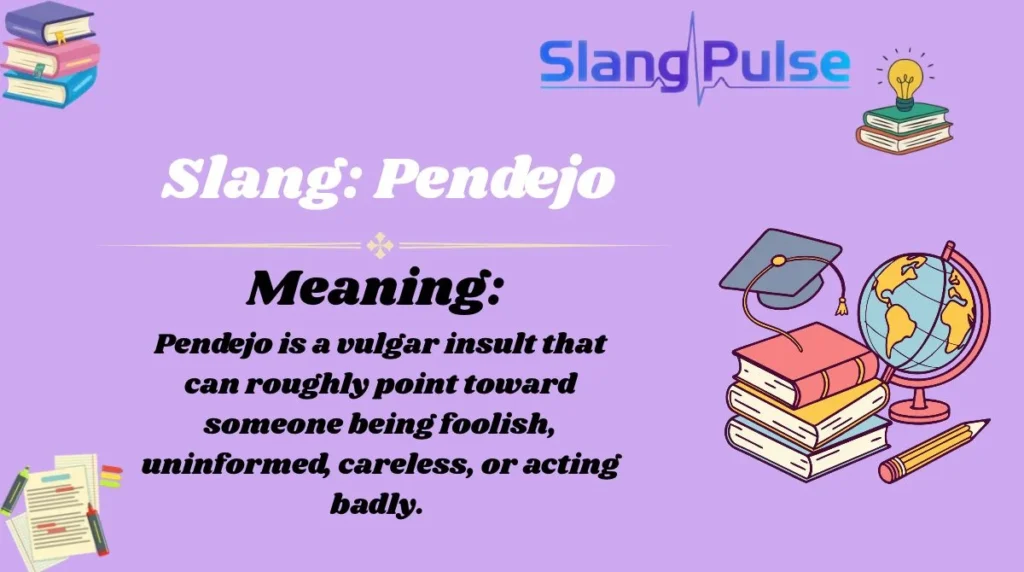
- Meaning: Pendejo is a vulgar insult that can roughly point toward someone being foolish, uninformed, careless, or acting badly. Among close friends it can sometimes be used jokingly, but the same word can become seriously offensive in another context.
- When to Use It: Only use it when you fully understand the relationship and tone involved.
- When NOT to Use It: Avoid it with strangers, at work, in formal settings, or whenever there is a risk the listener will interpret it as an insult.
- Example in Conversation:
—Se me olvidaron las llaves otra vez.
—No seas pendejo, siempre te pasa. - Is It Still Trending? Yes, but context-sensitive
Slang: Aguas
- Meaning: Aguas is a quick warning meaning “watch out,” “be careful,” or “pay attention.” It is especially useful when someone needs an immediate heads-up.
- When to Use It: Use it when warning a friend about traffic, a spill, an obstacle, or another immediate problem.
- When NOT to Use It: In formal safety instructions, use clearer standard wording rather than assuming everyone knows the slang.
- Example in Conversation:
—¡Aguas con el coche!
—¡Ya lo vi! - Is It Still Trending? Yes
Slang: Pachanga
- Meaning: Pachanga refers to a party, celebration, or generally lively social gathering. It can make an event sound more festive and informal than simply calling it a party.
- When to Use It: Use it when chatting about celebrations, weekend plans, birthdays, or nights out.
- When NOT to Use It: Formal event announcements and business invitations usually call for more standard vocabulary.
- Example in Conversation:
—¿Qué haces el sábado?
—Hay pachanga en casa de unos amigos. - Is It Still Trending? Yes
Slang: Chela
- Meaning: Chela is an informal Mexican word for beer. It is strongly associated with relaxed social situations rather than formal language.
- When to Use It: Among adults discussing casual social plans, restaurants, gatherings, or celebrations.
- When NOT to Use It: Avoid using it in formal writing or when speaking in settings where alcohol-related language would be inappropriate.
- Example in Conversation:
—¿Compramos unas chelas para la reunión?
—Sí, yo paso por ellas. - Is It Still Trending? Yes
Slang: Apapachar
- Meaning: Apapachar has an affectionate sense connected with giving someone comfort, care, affection, or a warm embrace. It can describe emotional support as well as physical affection.
- When to Use It: It is natural when talking warmly about caring for a loved one, comforting someone, or giving yourself a little emotional care.
- When NOT to Use It: The word is informal and affectionate, so it may not fit clinical, legal, or highly technical communication.
- Example in Conversation:
—Hoy fue un día horrible.
—Ven, te voy a apapachar. - Is It Still Trending? Yes
Generational Slang Comparison
Gen Z Usage
Younger speakers often combine traditional Mexican slang with expressions influenced by social media, memes, gaming, music, and internet culture. They may shorten words in messages, alter spellings for humorous effect, or give familiar expressions new shades of meaning.
Millennials
Millennials commonly recognize much of the established Mexican slang used in everyday conversation. Terms such as chido, güey, neta, chamba, lana, and no manches can feel completely ordinary depending on region, friendship group, and situation.
Older Slang Differences
Older generations may favor expressions that have been established for many years and may use them differently from younger speakers. Some terms survive across generations, while others become strongly associated with a particular period or region.
The important point is that Mexican slang is not divided into three rigid vocabulary lists. Generational overlap is extensive, and regional differences can matter just as much as age.
How to Use Slang Naturally Without Sounding Awkward
Natural slang use is less about memorizing a huge vocabulary and more about understanding the social setting.
Tone Matching
Match your wording to the emotional temperature of the conversation. A playful “¡No manches!” can work among friends, while a vulgar expression may be inappropriate even when the conversation itself is informal.
Context Awareness
The same expression can change meaning according to facial expression, relationship, situation, and delivery. Wey, for example, can function as friendly address between close friends but may sound disrespectful when directed at the wrong person.
Social Setting Awareness
A family gathering, university classroom, workplace, restaurant, and group chat do not necessarily have the same language expectations. Listen to how people around you speak before adopting their expressions.
Audience Awareness
Consider who is listening. If you’re speaking with someone older, someone you have just met, or someone unfamiliar with Mexican Spanish, standard Spanish may communicate your meaning more clearly.
Common Slang Mistakes
Using Outdated Slang
Not every expression you find on an old slang list is equally natural today. Some terms remain alive, while others become associated with particular generations or regions.
Using Slang in Formal Writing
Avoid casual expressions such as chamba or lana in official applications, academic assignments, contracts, and formal reports unless the context specifically calls for informal language.
Overusing Slang
Putting slang into every sentence rarely sounds natural. Native speakers normally switch between casual and standard language according to the situation.
Practice: Fill in the Blanks
- Ese restaurante está bien ________.
- ________, ¿de verdad compraste ese carro?
- ¿Traes ________ para pagar la comida?
- Tengo mucha ________ esta semana.
- ¡______ con la bicicleta!
- Vamos a organizar una ________ el sábado.
- Gracias, ________, por ayudarme.
- Después de un día difícil, necesito que me ________.
- Compraron unas ________ para la reunión.
- ________, se canceló el viaje.
Answer Key:
- chido
- neta
- lana
- chamba
- aguas
- pachanga
- carnal
- apapachen
- chelas
- chale
Choose the Correct Slang
1. Which term can mean “cool” or “awesome”?
A. Lana
B. Chido
C. Chamba
D. Aguas
Answer: B. Chido
2. Which expression is commonly used as a warning?
A. Aguas
B. Fresa
C. Neta
D. Carnal
Answer: A. Aguas
3. Which word can refer casually to money?
A. Pachanga
B. Chela
C. Lana
D. Apapacho
Answer: C. Lana
4. Which expression commonly introduces an honest statement or asks “really?”
A. Neta
B. Chido
C. Fresa
D. Chamba
Answer: A. Neta
5. Which term can describe a party or lively celebration?
A. Güey
B. Pachanga
C. Lana
D. Aguas
Answer: B. Pachanga
Rewrite Formal Sentences Into Casual Mexican Spanish
1. Formal:
“That job was very difficult today.”
Casual:
“Hoy estuvo bien pesada la chamba.”
2. Formal:
“Are you seriously going to attend the party?”
Casual:
“¿Neta sí vas a la pachanga?”
3. Formal:
“Please be careful with the car.”
Casual:
“¡Aguas con el coche!”
How To Use This Slang Without Sounding Awkward
Tone Matching
Don’t treat slang as a collection of interchangeable vocabulary. Some words are playful, some affectionate, some vulgar, and others can sound confrontational. Your tone should match the relationship.
Social Awareness
Pay attention to how people around you use an expression. If friends use carnal naturally with each other, that does not automatically mean you should use it with every Mexican speaker you meet.
Audience Awareness
Think about age, familiarity, profession, and personal preference. Someone may understand slang perfectly without wanting to be addressed with it.
Platform Awareness
Texting and social media often encourage shortened spellings, memes, exaggeration, and playful slang. Spoken conversation can have different rhythms and expectations. A phrase that looks funny in a group chat may sound unnatural if repeated constantly in person.
Regional Awareness
Mexico has significant regional variation. Slang that feels completely ordinary in one community may be less familiar elsewhere. Treating “Mexican Spanish” as one perfectly uniform variety can lead to awkward assumptions.
Don’t Force a Persona
If you’re learning Mexican Spanish, you don’t need to fill every sentence with slang to sound natural. A few expressions used appropriately are usually more convincing than a long string of slang terms.
Learn the Social Meaning
Knowing that pendejo can refer to a foolish person is not enough. You also need to understand that it is vulgar and that its effect depends heavily on who says it, to whom, and in what situation.
Switch Back to Standard Spanish When Needed
Fluent speakers move between registers. Being able to understand slang while also knowing when to use standard Spanish is more useful than trying to sound informal all the time.
Frequently Asked Questions
What is the most common Mexican slang?
There is no single slang term used by everyone in Mexico. Expressions such as chido, güey, neta, no manches, chamba, and lana are widely recognizable, but frequency varies by region, age, social group, and context.
What does “wey” mean in Mexican slang?
“Wey” is an informal spelling of güey. Depending on context, it can mean something like “dude,” “bro,” or “guy.” Its tone ranges from friendly and familiar to disrespectful, so the relationship between speakers matters.
What does “neta” mean in Mexican Spanish?
Neta commonly refers to truth or honesty in casual Mexican Spanish. “¿Neta?” can express surprise or ask whether something is really true, while “la neta” can introduce a frank opinion.
Is Mexican slang different from Spanish slang in other countries?
Yes. Spanish varies substantially across countries and regions. A slang term that sounds ordinary in Mexico may be unfamiliar or have a different meaning elsewhere in the Spanish-speaking world.
Can I use Mexican slang if I am learning Spanish?
Yes, but learn the social context along with the vocabulary. Start with expressions whose tone you understand, listen to native speakers, and avoid highly vulgar or relationship-dependent terms until you know when they are appropriate.
Conclusion
Mexican slang gives everyday Spanish personality, humor, warmth, and local character. Expressions such as chido, neta, chamba, lana, aguas, no manches, and carnal can make casual communication feel more natural when they are used in the right setting.
At the same time, words such as pendejo require considerably more awareness because their tone can shift from joking familiarity to genuine offense.
The best way to learn Mexican slang is to pay attention to context rather than simply memorizing translations. Listen to who is speaking, notice their relationship, consider the platform or setting, and understand whether an expression is playful, affectionate, vulgar, regional, or neutral.
Slang works best when it reflects the conversation naturally instead of being added just to sound Mexican.

Aira is a content writer and language enthusiast at SlangPulse, specializing in internet slang, social media trends, and modern digital communication